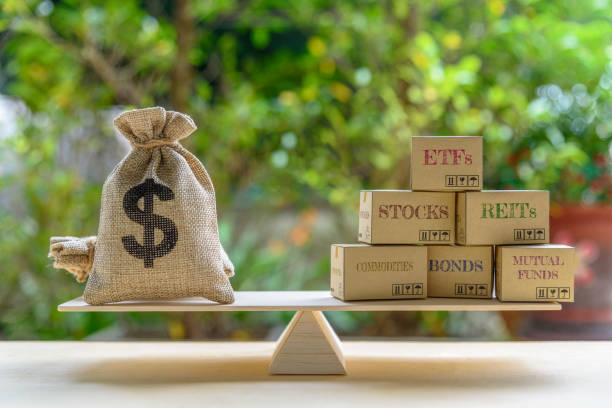
When most people think about investing, they usually consider stocks, mutual funds, fixed deposits, or real estate. However, another important asset class that has gained popularity among retail investors is commodities.
Commodities such as gold, silver, copper, crude oil, and agricultural products play a vital role in the global economy. Their prices are influenced by factors like supply and demand, inflation, economic growth, and geopolitical events, making them an attractive option for portfolio diversification.
If you’re new to investing, understanding how commodities work—their potential rewards and associated risks—can help you make more informed investment decisions.
What Is Commodity Investing?
Commodity investing involves investing in physical goods or financial products linked to commodities.
Common commodities include:
Precious Metals
- Gold
- Silver
Industrial Metals
- Copper
- Aluminium
Energy Commodities
- Crude oil
- Natural gas
Agricultural Commodities
- Wheat
- Cotton
- Sugar
- Coffee
Unlike company shares, commodities derive their value from global demand and supply dynamics.
Why Do Investors Invest in Commodities?
Commodities can serve different purposes within an investment portfolio.
Some common reasons include:
- Portfolio diversification
- Protection against inflation
- Exposure to global economic growth
- Managing market uncertainty
Different commodities respond differently to economic events, making them useful additions to a diversified portfolio.
Benefits of Commodity Investing
1. Diversification
One of the biggest advantages of commodities is diversification.
Commodity prices often behave differently from equities and bonds.
For example:
- Gold may perform relatively well during periods of market uncertainty.
- Copper often benefits from economic expansion and infrastructure development.
Holding multiple asset classes can help reduce overall portfolio risk.
2. Inflation Protection
Inflation reduces the purchasing power of money over time.
Certain commodities, particularly gold and energy-related commodities, have historically been viewed as potential hedges against inflation.
As prices rise across the economy, commodity prices may also increase under certain market conditions.
3. Exposure to Global Growth
Industrial commodities such as copper are closely linked to manufacturing, construction, and infrastructure projects.
Growing demand for:
- Electric vehicles
- Renewable energy
- Urban development
- Industrial production
can support long-term demand for industrial metals.
4. Portfolio Stability
Certain commodities, particularly gold, may provide stability during periods of:
- Economic uncertainty
- Market corrections
- Currency depreciation
- Geopolitical tensions
Although they do not eliminate risk, commodities can complement traditional investments.
Risks of Commodity Investing
While commodities offer diversification benefits, they also involve several risks.
1. Price Volatility
Commodity prices can change rapidly due to:
- Supply shortages
- Weather conditions
- Geopolitical conflicts
- Government policies
- Global demand fluctuations
These factors can create significant short-term price movements.
2. No Guaranteed Returns
Unlike fixed deposits, commodities do not provide fixed returns or guaranteed income.
Returns depend entirely on market prices.
Investors should be prepared for both gains and losses.
3. Complex Market Drivers
Commodity markets are influenced by numerous global factors, including:
- Currency movements
- International trade
- Economic growth
- Production levels
- Central bank policies
Understanding these influences requires ongoing research.
4. Lack of Regular Income
Most commodities do not generate:
- Dividends
- Interest income
- Regular cash flows
Returns primarily depend on price appreciation over time.
Ways Beginners Can Invest in Commodities
Today’s investors have several accessible options.
Commodity ETFs
Exchange-Traded Funds provide exposure to commodity prices without requiring investors to purchase or store physical assets.
Commodity Mutual Funds
These funds invest in commodity-related assets or companies involved in commodity production.
Professional fund management makes them suitable for beginners.
Digital Gold
Digital gold allows investors to purchase small quantities of gold online without physical storage concerns.
Physical Gold
Jewellery, coins, and bars remain popular investment options, although storage and making charges should be considered.
Commodity Trading
Experienced investors may choose to trade commodities directly through commodity exchanges.
However, this approach generally involves greater complexity and higher risk.
Which Commodities Are Suitable for Beginners?
Gold
Gold is often the preferred starting point because it is:
- Widely understood
- Easily accessible
- Useful for diversification
- Popular during uncertain economic conditions
Silver
Silver offers exposure to both investment demand and industrial applications.
Its dual role makes it an interesting diversification asset.
Copper
Copper is closely linked to global economic growth and infrastructure development.
Investors seeking exposure to industrial growth themes often consider copper.
Tips for First-Time Commodity Investors
Start Small
Begin with modest allocations while gaining experience.
Diversify
Avoid concentrating your portfolio in a single commodity.
Combine commodities with equities, debt, and other asset classes.
Invest According to Your Goals
Choose investments that align with your financial objectives and risk tolerance.
Think Long Term
Commodity prices can be volatile in the short term.
Long-term investing often reduces the impact of temporary price fluctuations.
Continue Learning
Commodity markets are influenced by global events.
Understanding economic trends can help you make more informed investment decisions.
Should Commodities Be Part of Every Portfolio?
Commodities can provide valuable diversification benefits, but they are generally best used as a complement to traditional investments rather than a replacement.
For many retail investors, a balanced portfolio may include:
- Equities for long-term growth
- Debt for stability
- Commodities for diversification
- Cash for liquidity
The right allocation depends on individual financial goals and risk appetite.
Final Thoughts
Commodity investing offers retail investors an opportunity to diversify their portfolios, protect against inflation, and participate in global economic trends. Precious metals like gold can provide stability during uncertain times, while industrial commodities such as copper may benefit from economic expansion and infrastructure growth.
At the same time, commodities come with risks, including price volatility and the absence of guaranteed returns. That’s why beginners should approach commodity investing with a long-term perspective, realistic expectations, and a well-diversified portfolio.
The goal isn’t to invest in every commodity—it’s to understand how commodities can complement your overall investment strategy and support long-term financial growth.
Looking to build a diversified investment portfolio?
UrbanMoney provides expert insights, practical financial guidance, and educational resources to help you understand investing, commodities, and long-term wealth creation with confidence.