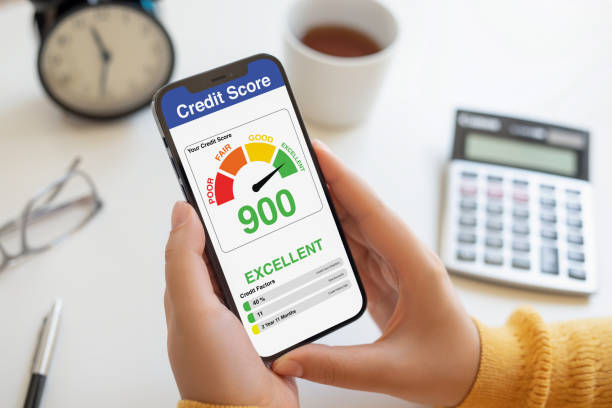
A credit score is one of the most important factors lenders consider when evaluating your loan application. Whether you’re applying for a personal loan, home loan, credit card, or business financing, your credit score plays a crucial role in determining your eligibility, interest rates, and borrowing terms.
Despite its importance, many people still believe common myths about credit scores. These misconceptions often lead to poor financial decisions that can negatively impact loan approval chances.
Let’s separate fact from fiction and understand the credit score myths that could be hurting your loan eligibility.
What Is a Credit Score?
A credit score is a numerical representation of your creditworthiness based on your borrowing and repayment history.
Lenders use this score to assess:
- Your repayment behavior
- Existing debt obligations
- Credit management habits
- Likelihood of repaying future loans
A healthy credit score generally improves your chances of securing loans quickly and at more favorable interest rates.
Myth 1: Checking Your Credit Score Lowers It
One of the most common misconceptions is that simply checking your own credit score damages it.
The Reality
Checking your own credit score is considered a soft inquiry, which does not affect your score.
In fact, regularly monitoring your credit report is a good financial habit because it helps you:
- Track your credit health
- Identify errors or fraudulent activity
- Understand areas that need improvement
Myth 2: Having No Loans Means a Perfect Credit Profile
Many people believe that avoiding credit entirely is beneficial.
The Reality
If you have never borrowed money or used a credit card, you may have little or no credit history.
Without sufficient credit history, lenders have limited information to evaluate your repayment behavior, which can sometimes make loan approval more challenging.
Building a positive credit history through responsible borrowing can strengthen your credit profile.
Myth 3: Closing Old Credit Cards Improves Your Score
Some borrowers believe that closing old credit cards automatically boosts their credit score.
The Reality
Closing older credit cards may actually reduce:
- Your total available credit limit
- Length of credit history
This can increase your credit utilization ratio and potentially affect your credit score negatively.
Myth 4: Paying Only the Minimum Credit Card Amount Is Enough
Many cardholders assume that paying the minimum amount due protects their credit score completely.
The Reality
Although making the minimum payment may help avoid immediate penalties, carrying large outstanding balances can:
- Increase interest costs
- Raise credit utilization
- Indicate higher debt dependence
Managing credit card balances responsibly is important for maintaining good credit health.
Myth 5: A High Income Guarantees Loan Approval
Some people believe that a high salary automatically ensures loan approval.
The Reality
Income is only one part of the lender’s evaluation process.
Lenders also consider:
- Credit score
- Existing debt obligations
- Repayment history
- Employment stability
- Credit behavior
Even high-income individuals may face challenges if their credit profile is weak.
Myth 6: One Missed Payment Doesn’t Matter
Some borrowers assume that a single delayed payment will have little impact.
The Reality
Payment history is one of the most important components of your credit profile.
Repeated delays or missed payments can negatively influence lender confidence and affect future loan applications.
Paying EMIs and credit card bills on time remains one of the best ways to maintain strong credit health.
Myth 7: Applying for Multiple Loans Improves Approval Chances
People sometimes submit applications to multiple lenders simultaneously, hoping that at least one will approve the loan.
The Reality
Each loan application may trigger a hard inquiry on your credit report.
Too many applications within a short period can:
- Signal financial stress
- Reduce lender confidence
- Potentially affect your credit profile
It is usually better to assess eligibility before applying for multiple loans.
Myth 8: Credit Scores Improve Overnight
Many borrowers expect their scores to recover immediately after making payments.
The Reality
Improving credit health takes time and consistency.
Positive habits that gradually strengthen your credit profile include:
- Paying bills on time
- Maintaining low credit utilization
- Avoiding excessive borrowing
- Monitoring your credit report regularly
Building a strong credit score is a long-term process rather than an overnight fix.
Smart Habits That Improve Your Credit Score
Here are some practices that can help strengthen your credit profile:
- Pay all EMIs and credit card bills on time.
- Keep credit utilization below 30% whenever possible.
- Avoid unnecessary loan applications.
- Monitor your credit report regularly.
- Maintain a healthy mix of credit and repayment history.
- Build credit gradually and responsibly.
Consistency is often the biggest driver of long-term credit health.
Why Your Credit Score Matters
A healthy credit score can provide several advantages:
- Higher chances of loan approval
- Faster processing of loan applications
- Better interest rates
- Higher borrowing limits
- Greater financial flexibility
Good credit habits today can create valuable borrowing opportunities in the future.
Final Thoughts
Credit scores are not just numbers—they reflect your financial discipline and borrowing behavior. Unfortunately, common myths often cause borrowers to make decisions that unintentionally weaken their credit profiles and reduce their chances of securing loans.
Understanding how credit scores actually work can help you build healthier financial habits, improve your borrowing eligibility, and access better financial opportunities.
The secret to a strong credit score isn’t avoiding credit altogether—it’s learning to use credit responsibly and consistently over time.
Looking to improve your financial health and make smarter borrowing decisions?
UrbanMoney provides expert insights, financial tools, and easy-to-understand guidance to help you navigate loans, credit scores, and personal finance with confidence.