Economic news often includes terms like recession and economic slowdown, especially during periods of market uncertainty. While these terms are sometimes used interchangeably, they actually represent different economic conditions. Understanding the difference is important for investors, because each situation affects financial markets and investment strategies in different ways.
Knowing how recessions and slowdowns impact the economy can help investors make better financial decisions and avoid panic-driven reactions.
What Is an Economic Slowdown?
An economic slowdown occurs when the growth of an economy begins to decline but remains positive. In other words, the economy is still expanding, but at a slower pace than before.
During a slowdown, you may notice:
-
Reduced consumer spending
-
Lower corporate earnings growth
-
Declining business investments
-
Slower job creation
However, economic activity is still growing, just not as quickly as in previous periods.
Example of a Slowdown
If a country’s economy was growing at 7% annually and slows to 4%, it is considered an economic slowdown rather than a recession.
Slowdowns are a normal part of economic cycles and often occur after periods of rapid growth.
What Is a Recession?
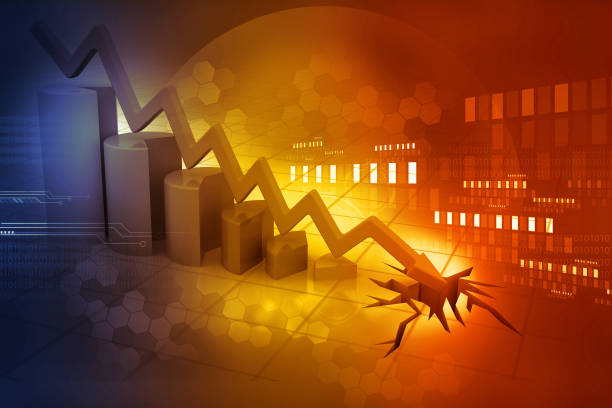
A recession is a more severe economic contraction. It typically occurs when an economy experiences two consecutive quarters of negative GDP growth.
During a recession, the economy actually shrinks rather than simply slowing down.
Common characteristics of a recession include:
-
Falling GDP
-
Rising unemployment
-
Reduced consumer and business spending
-
Declining corporate profits
-
Stock market volatility
Recessions can be triggered by financial crises, policy shocks, global conflicts, or prolonged economic imbalances.
Key Differences Between a Slowdown and a Recession
| Factor | Economic Slowdown | Recession |
|---|---|---|
| Economic Growth | Positive but slower | Negative growth |
| Business Activity | Gradually weakening | Significant decline |
| Employment | Slower hiring | Rising unemployment |
| Investor Sentiment | Cautious | Often fearful |
| Market Impact | Moderate volatility | Larger market corrections |
Understanding this distinction helps investors assess the seriousness of economic developments.
How Slowdowns Affect Investors
During economic slowdowns, markets may experience increased volatility but not necessarily major declines.
Some sectors may continue to perform well, especially industries with stable demand such as healthcare, utilities, and consumer essentials.
Investors often focus on:
-
Diversified portfolios
-
Defensive stocks
-
Long-term investment strategies
Slowdowns can also create opportunities for investors to accumulate quality assets at reasonable valuations.
How Recessions Affect Investors
Recessions usually have a stronger impact on financial markets. Equity markets may experience significant declines as corporate earnings fall and investor confidence weakens.
However, recessions also tend to create long-term investment opportunities.
During recessions, investors may shift toward:
-
Safer assets such as government bonds or gold
-
Dividend-paying companies
-
Defensive sectors
Historically, markets have recovered after recessions, often leading to strong growth phases.
What Should Investors Do During Economic Uncertainty?
Whether the economy is experiencing a slowdown or a recession, investors should focus on long-term financial discipline.
Key strategies include:
-
Maintaining a diversified portfolio
-
Continuing systematic investments
-
Avoiding panic selling during market downturns
-
Reviewing financial goals regularly
Economic cycles are inevitable, but disciplined investors who stay focused on long-term strategies often benefit when markets recover.
Final Thoughts
Economic slowdowns and recessions are both part of the natural economic cycle, but they differ in severity and impact. A slowdown simply reflects reduced growth, while a recession represents a period of economic contraction.
For investors, understanding these differences helps prevent emotional reactions to market news. By maintaining diversification, focusing on long-term goals, and staying invested through market cycles, investors can navigate both slowdowns and recessions more confidently.
In the world of investing, patience and discipline often matter more than trying to predict the next economic shift.