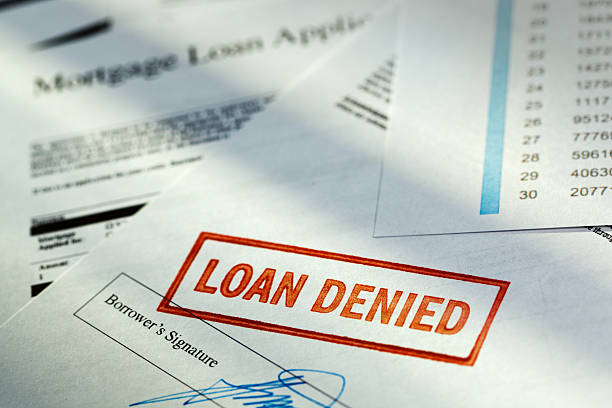
Applying for a loan can be an important step toward achieving financial goals—whether it’s funding education, managing emergencies, or expanding a business. However, many borrowers face an unexpected hurdle: loan rejection.
What makes this frustrating is that loan applications are sometimes rejected even when applicants believe they meet the basic eligibility criteria. The truth is, lenders evaluate several factors beyond just income and employment.
Understanding the common reasons behind loan rejections can help you improve your financial profile and increase your chances of approval in the future.
1. Low Credit Score
One of the most common reasons for loan rejection is a low credit score. Lenders use your credit score to assess your reliability in repaying borrowed money.
A low score may indicate:
-
Missed or delayed payments
-
High credit card usage
-
Too many existing loans
Generally, a higher credit score improves your chances of getting approved and may also help you secure lower interest rates.
2. High Debt-to-Income Ratio
Your debt-to-income (DTI) ratio compares your monthly debt obligations to your monthly income. If a large portion of your income already goes toward EMIs or credit card payments, lenders may see you as a risky borrower.
A high DTI suggests that taking on another loan could strain your finances and increase the risk of default.
3. Frequent Loan Applications
Applying for multiple loans or credit cards within a short period can negatively affect your credit profile.
Each loan application triggers a hard inquiry on your credit report. Too many inquiries may signal financial stress or desperation for credit, which can make lenders cautious.
4. Unstable Employment or Income
Lenders prefer borrowers with stable income sources. Frequent job changes, irregular income, or a short employment history may raise concerns about your repayment ability.
Self-employed individuals or freelancers may sometimes face stricter scrutiny because income streams can be less predictable.
5. Errors in Credit Report
Sometimes loan rejections happen due to incorrect information in your credit report.
Examples include:
-
Incorrect loan records
-
Payments marked as missed when they were actually made
-
Duplicate accounts
Regularly checking your credit report can help you identify and correct such errors before applying for a loan.
6. Insufficient Credit History
A lack of credit history can also lead to loan rejection. This is common among first-time borrowers or young professionals who have never taken a loan or used a credit card before.
Without past credit behaviour, lenders may find it difficult to assess your repayment reliability.
7. Incomplete or Incorrect Documentation
Loan applications require several documents for verification, such as identity proof, income statements, and bank records.
Submitting incomplete, outdated, or inconsistent documents can delay processing or lead to rejection.
8. Poor Repayment History
Even a few late payments on previous loans or credit cards can affect lender confidence. A pattern of delayed repayments signals higher risk and may result in rejection.
Maintaining a consistent repayment record is one of the most important factors in building trust with lenders.
How to Improve Your Chances of Loan Approval
If your loan application has been rejected, consider taking these steps before applying again:
-
Improve your credit score by paying bills on time
-
Reduce existing debts and credit card balances
-
Avoid multiple loan applications in a short period
-
Check your credit report for errors
-
Ensure all documents are accurate and updated
Taking time to strengthen your financial profile can significantly improve approval chances.
Final Thoughts
Loan rejections can feel discouraging, but they often highlight areas that need improvement in your financial profile. By understanding the hidden factors lenders evaluate—such as credit behaviour, debt levels, and documentation—you can prepare better for future applications.
The key to successful borrowing lies in maintaining financial discipline, monitoring your credit health, and applying for loans responsibly.
Need quick and transparent loan solutions?
UrbanMoney helps simplify borrowing with easy eligibility checks and digital loan processes designed to make access to credit smoother and more reliable.