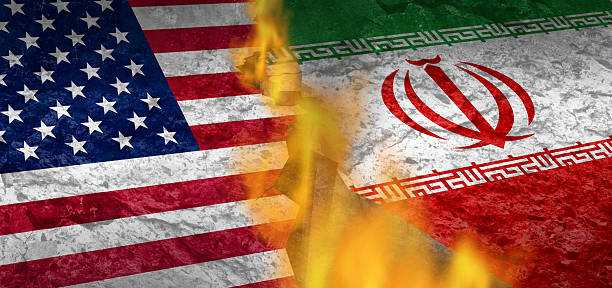
Geopolitical conflicts have always had a strong impact on global financial markets. The ongoing tensions and military conflict involving Iran and the United States (along with allied forces) have created uncertainty across energy markets, global trade, and stock exchanges.
While wars primarily affect the countries involved, their economic consequences ripple across the entire world — influencing oil prices, inflation, stock markets, currencies, and everyday living costs.
Let’s understand how this crisis is affecting global markets and what it means for businesses, investors, and ordinary people.
1. Oil Prices Surge Due to Supply Risks
One of the biggest economic consequences of the conflict is the volatility in oil prices. The Middle East plays a crucial role in global energy supply, and the Strait of Hormuz alone handles around 20% of global oil shipments.
Because of attacks on shipping routes and threats to energy infrastructure, global oil markets reacted quickly. Crude prices surged dramatically, with U.S. crude futures jumping about 12% and Brent crude rising sharply after supply disruptions were reported.
Energy analysts warn that if disruptions continue, oil prices could potentially rise much further — in extreme scenarios even exceeding $150 per barrel.
Higher oil prices are one of the first triggers of global economic instability.
2. Inflation Risks Rise Across the World
Oil is a key input for transportation, manufacturing, and electricity generation. When oil prices rise, the cost of producing and transporting goods increases.
As a result:
-
Fuel prices increase
-
Transportation costs rise
-
Food and consumer goods become more expensive
Economists warn that prolonged conflict in the Middle East could lead to higher global inflation and slower economic growth.
For countries already dealing with inflation, this creates additional economic pressure.
3. Stock Markets Experience Volatility
Financial markets react quickly to geopolitical uncertainty. When the conflict escalated, global stock markets saw sharp fluctuations.
For example:
-
Major indices like the Dow Jones dropped significantly in early reactions.
-
Asian and European markets also declined amid uncertainty.
Investors often move money away from risky assets like equities during wars and into safer investments.
However, markets can rebound quickly when tensions appear to ease or when positive diplomatic signals emerge.
This creates short-term volatility but not always long-term declines.
4. Gold and Safe-Haven Assets Rise
During geopolitical crises, investors look for assets that preserve value. This leads to increased demand for gold and other safe-haven investments.
Gold prices typically rise because investors:
-
Seek protection against market volatility
-
Hedge against inflation
-
Protect wealth during uncertain times
This trend has historically been seen during wars, economic crises, and financial shocks.
5. Global Trade and Supply Chains Face Disruption
Beyond oil markets, the conflict can affect global trade routes and logistics.
Some impacts include:
-
Shipping disruptions in the Persian Gulf
-
Higher insurance costs for vessels
-
Delays in supply chains
Airlines, shipping companies, and logistics businesses are among the sectors most vulnerable to geopolitical conflicts.
6. Emerging Markets Feel the Pressure
Developing economies are often more vulnerable to global shocks.
Countries that depend heavily on imported oil or global trade may experience:
-
Currency depreciation
-
Rising import bills
-
Pressure on government budgets
Emerging markets also tend to experience capital outflows as investors move money toward safer assets like the U.S. dollar.
7. How This Affects Ordinary People
Even if you are far from the conflict zone, global economic shocks can still affect everyday life.
Common effects include:
-
Higher fuel prices
-
Increased cost of goods and services
-
Stock market fluctuations impacting investments
-
Currency volatility affecting imports and travel
In simple terms, geopolitical conflicts indirectly impact household budgets and financial stability worldwide.
8. What Investors Should Do During Geopolitical Crises
Periods of geopolitical uncertainty require calm and strategic thinking. Investors should avoid panic-driven decisions.
Key strategies include:
-
Stay diversified: Balance equities, debt, and commodities like gold.
-
Focus on long-term goals: Markets often recover after geopolitical shocks.
-
Avoid emotional trading: Short-term volatility can create misleading signals.
-
Monitor energy and commodity markets: These often move first during conflicts.
History shows that while wars cause temporary market disruptions, long-term economic growth usually resumes once stability returns.
Final Thoughts
The ongoing Iran–US conflict highlights how interconnected the global economy has become. Energy markets, inflation, stock prices, and international trade are all sensitive to geopolitical tensions.
While the immediate impact is market volatility and higher energy prices, the long-term outcome depends on how quickly the conflict stabilizes.
For investors and businesses, the key is to stay informed, maintain diversified portfolios, and avoid making financial decisions based purely on short-term panic.
Global markets may fluctuate during crises, but disciplined financial planning helps navigate uncertainty.