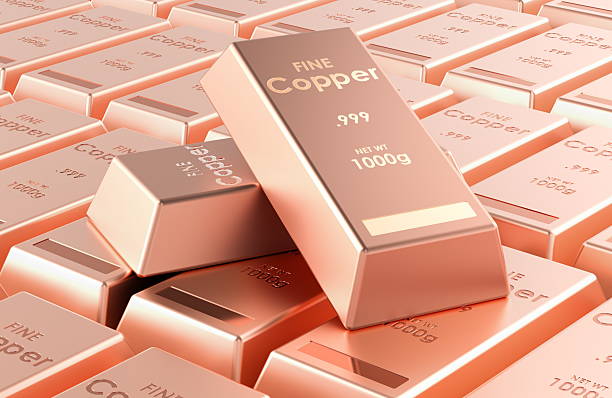
In the world of commodities, few metals are as closely watched as copper. Often referred to as the “Doctor of the Economy,” copper is seen as a reliable indicator of global economic health. But why does this humble metal carry such an important title?
The answer lies in how deeply copper is embedded in almost every aspect of modern economic activity. From infrastructure and construction to electronics and renewable energy, copper demand rises and falls with economic growth—making it a powerful economic signal.
Let’s understand why copper earns this unique reputation and what it means for investors and policymakers.
What Does “Doctor of the Economy” Mean?
The term suggests that copper has the ability to diagnose the health of the global economy, much like a doctor diagnoses a patient.
When copper prices rise, it usually signals:
-
Expanding industrial activity
-
Growing infrastructure spending
-
Strong manufacturing demand
When prices fall, it often indicates:
-
Slowing economic growth
-
Reduced industrial output
-
Weak demand expectations
Because copper reacts early to economic changes, it is closely tracked by analysts worldwide.
Why Copper Reflects Economic Activity So Accurately
1. Copper Is Everywhere
Copper is a core input in multiple industries, including:
-
Construction (wiring, plumbing, roofing)
-
Power and energy (grids, transformers, renewable energy)
-
Manufacturing (machinery, automobiles)
-
Electronics (smartphones, computers, appliances)
Any slowdown or acceleration in these sectors directly impacts copper demand.
2. Infrastructure Spending Drives Copper Demand
Large-scale infrastructure projects—such as roads, railways, housing, and smart cities—require massive amounts of copper.
When governments increase spending on infrastructure to stimulate growth, copper demand rises almost immediately, pushing prices higher.
3. Global Trade Sensitivity
Copper is traded globally, making it sensitive to:
-
International trade activity
-
Supply chain disruptions
-
Economic policies of major economies
A slowdown in global trade or manufacturing often shows up first in falling copper prices.
4. Strong Link to Manufacturing Cycles
Manufacturing is often the first sector to react to economic changes. Since copper is heavily used in manufacturing, its demand mirrors production levels closely—making it an early warning indicator.
Copper Prices and Economic Signals
Historically, copper prices have:
-
Risen ahead of economic recoveries
-
Fallen before recessions or slowdowns
-
Reacted quickly to global growth forecasts
This forward-looking nature makes copper valuable not just as a commodity, but as a macro-economic indicator.
Copper vs Other Metals
While gold is known as a safe-haven asset, copper plays a very different role:
| Metal | Economic Role |
|---|---|
| Gold | Hedge against inflation & uncertainty |
| Silver | Mixed industrial and investment use |
| Copper | Indicator of economic growth |
Gold thrives during uncertainty; copper thrives during expansion.
The Energy Transition Is Strengthening Copper’s Role
The global shift toward electric vehicles, renewable energy, and electrification has increased long-term demand for copper.
-
EVs require significantly more copper than traditional vehicles
-
Solar and wind energy projects depend heavily on copper wiring
-
Power grids need upgrades to support clean energy
This makes copper not only a short-term economic indicator but also a long-term strategic metal.
What Copper’s Price Movements Mean for Investors
For investors, copper prices can offer insights into:
-
Global growth expectations
-
Sectoral strength (construction, energy, manufacturing)
-
Market risk sentiment
Rising copper prices often suggest optimism about economic growth, while falling prices may signal caution.
However, copper prices are also influenced by supply disruptions, mining output, and geopolitical events—so they should be viewed as one signal among many, not a standalone predictor.
Should Retail Investors Invest in Copper?
Copper can be accessed through:
-
Commodity funds or ETFs
-
Mining company stocks
-
Diversified commodity portfolios
While copper offers growth-linked exposure, it can be volatile. It is best suited as a small, diversified allocation rather than a core investment.
Final Thoughts
Copper is called the “Doctor of the Economy” because it offers an early diagnosis of economic health. Its demand rises with growth, infrastructure development, and industrial expansion—and falls when economies slow down.
For investors and policymakers alike, tracking copper prices provides valuable insights into where the economy may be headed next.
In a world driven by electrification and infrastructure, copper’s role as both an economic indicator and strategic resource is only becoming stronger.
Looking to understand market trends and invest smarter?
UrbanMoney helps you stay informed with expert insights and financial solutions designed to navigate changing economic cycles confidently.