Loans can be powerful financial tools when used wisely. Whether you’re funding personal milestones or growing a business, borrowing helps bridge the gap between goals and available capital. However, every loan you take also leaves a footprint on your credit score.
Understanding the different types of personal and business loans—and how each affects your credit score—can help you borrow smarter, maintain financial health, and secure better loan terms in the future.
What Is a Credit Score and Why Does It Matter?
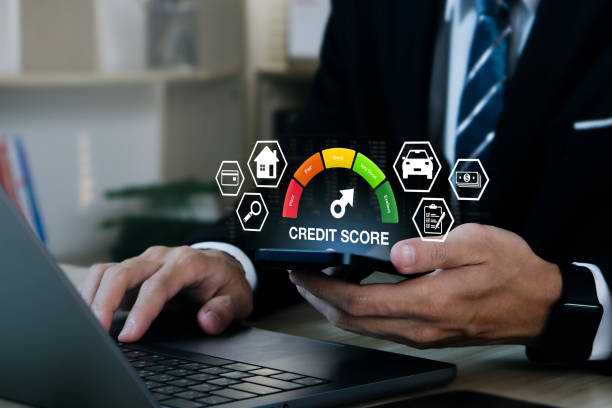
A credit score is a numerical summary of your creditworthiness based on your borrowing and repayment history. Lenders use it to assess:
-
Your likelihood of repaying a loan
-
The interest rate you’ll be charged
-
The loan amount and tenure you’re eligible for
Timely repayments improve your score, while missed or delayed payments can lower it significantly.
Types of Personal Loans and Their Credit Impact
1. Personal Loans (Unsecured)
What they’re used for:
Weddings, travel, medical expenses, education, or emergencies.
Impact on credit score:
-
Timely EMIs improve your score steadily
-
Missed payments negatively affect your score quickly
-
Multiple personal loans at once can increase risk perception
Key takeaway:
Personal loans can help build credit if managed responsibly, but over-borrowing can hurt your score.
2. Credit Cards
What they’re used for:
Everyday expenses and short-term credit needs.
Impact on credit score:
-
High credit utilisation (over 30%) lowers your score
-
Paying bills in full and on time boosts your score
-
Minimum-only payments over long periods hurt credit health
Key takeaway:
Credit cards strongly influence your credit score due to frequent usage and reporting cycles.
3. Consumer Durable Loans / BNPL
What they’re used for:
Electronics, appliances, and online purchases.
Impact on credit score:
-
On-time repayments help build credit for first-time borrowers
-
Missed EMIs negatively affect your score
-
Multiple BNPL loans at once may signal over-dependence on credit
Key takeaway:
Useful for beginners, but should be used cautiously and sparingly.
Types of Business Loans and Their Credit Impact
4. Business Term Loans
What they’re used for:
Business expansion, equipment purchase, or long-term investments.
Impact on credit score:
-
Regular repayments improve business and personal credit profiles
-
Defaults or restructuring significantly damage creditworthiness
Key takeaway:
Business term loans reflect your financial discipline and affect future borrowing capacity.
5. Working Capital Loans / Overdrafts
What they’re used for:
Managing daily operational expenses and cash flow gaps.
Impact on credit score:
-
High utilisation can hurt your score
-
Timely interest and principal payments help maintain stability
Key takeaway:
These loans require careful cash flow management to avoid credit stress.
6. Invoice Financing / Bill Discounting
What they’re used for:
Getting funds against unpaid invoices.
Impact on credit score:
-
Lower risk than unsecured loans if invoices are settled on time
-
Delays from clients can indirectly affect your repayment record
Key takeaway:
Best suited for businesses with predictable receivables.
Secured vs Unsecured Loans: Credit Score Impact
| Loan Type | Risk Level | Impact on Credit Score |
|---|---|---|
| Secured loans (property, gold, assets) | Lower | More forgiving if well-managed |
| Unsecured loans (personal, business) | Higher | Stronger positive or negative impact |
Unsecured loans affect your credit score more aggressively because there’s no collateral backing them.
How Multiple Loans Affect Your Credit Score
Taking multiple loans at once can:
-
Increase your debt-to-income ratio
-
Trigger multiple credit inquiries
-
Signal financial stress to lenders
This doesn’t mean multiple loans are bad—but poor management of multiple loans can lower your credit score quickly.
How to Borrow Smart and Protect Your Credit Score
-
Borrow only what you need
-
Pay EMIs and credit card bills on time
-
Keep credit utilisation below 30%
-
Avoid frequent loan applications
-
Monitor your credit report regularly
Responsible borrowing builds trust with lenders and improves long-term financial flexibility.
Final Thoughts
Both personal and business loans can either strengthen or weaken your credit score—it all depends on how you manage them.
Used wisely, loans help you grow financially and build a strong credit profile. Misused, they can limit future opportunities.
The key is not avoiding loans—but borrowing responsibly, planning repayments, and staying disciplined.
Planning to take a personal or business loan?
UrbanMoney offers transparent, collateral-free loan solutions with fair eligibility checks—helping you borrow smart while protecting your credit score.